


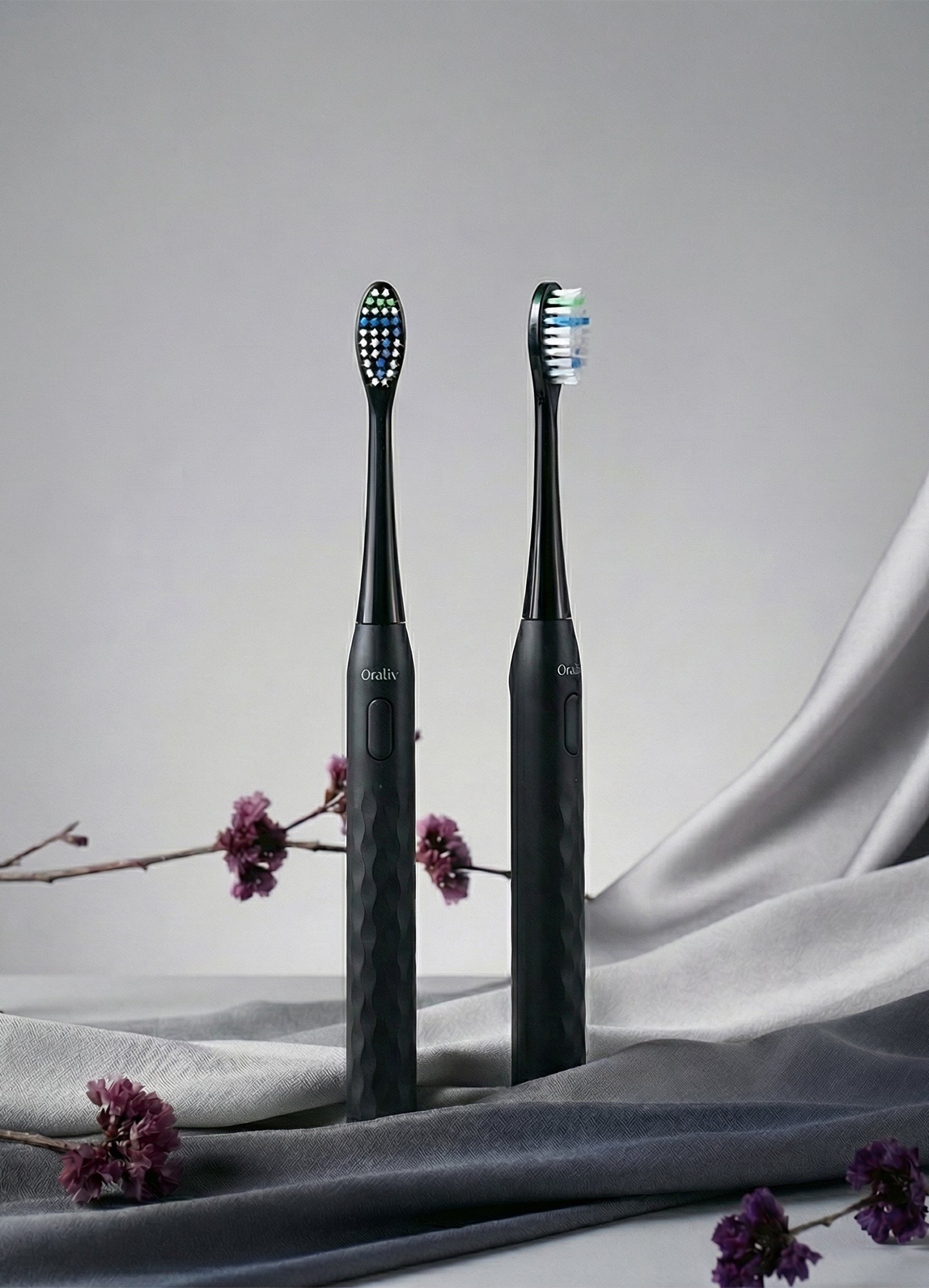


Learn how to choose the best orthodontic brush for braces, including bristle type, head size, electric options and interdental cleaning tools.
Picking the Best Orthodontic Brush
Braces make everyday brushing more demanding. Brackets create edges where plaque can settle, while wires limit how easily a standard brush reaches the tooth surface. The best orthodontic brush is therefore not simply the most powerful or expensive option. It is one that fits comfortably around your appliance and helps you clean the gumline, bracket edges and every exposed surface without pressing too hard.
This guide explains the differences between orthodontic manual brushes, electric toothbrushes and interdental brushes. It also shows which features are genuinely useful, what each tool can and cannot clean, and how to build a routine around the instructions from your own orthodontist.
What Is the Best Toothbrush for Braces?
For most people with fixed braces, a small headed toothbrush with soft bristles is a sensible starting point. A manual orthodontic brush or a compatible electric brush can both work when used carefully. The main brush should be paired with an interdental brush or orthodontic floss to clean around wires and between teeth.
What Is an Orthodontic Brush?
An orthodontic brush is a toothbrush or small cleaning brush selected for use around fixed braces. Some manual models have a V-shaped bristle pattern: shorter bristles in the centre sit over the brackets while longer outer bristles contact the exposed tooth. Other people use a small, soft electric brush head and change the angle to reach above and below each bracket.
An interdental brush is different. It is a narrow brush designed to pass through suitable spaces, including carefully underneath an orthodontic wire. It complements the main toothbrush; it does not replace brushing the tooth surfaces and gumline.
Manual, Electric or Interdental: Which Brush Does What?
|
Brush type |
Main strength |
Important limitation |
Usually suits |
|
Manual orthodontic brush |
Direct control; V-cut designs may sit around brackets |
Requires careful, systematic hand movement |
People who prefer simple, portable tools |
|
Electric toothbrush |
Motor supplies the cleaning motion; timers may support consistency |
Still needs correct positioning and confirmed appliance compatibility |
People who prefer guided timing or have limited dexterity |
|
Interdental brush |
Reaches selected spaces under wires and beside brackets |
Does not clean all tooth surfaces; the size must fit safely |
Most fixed-brace routines as an additional tool |
The categories overlap: an electric toothbrush may be your main orthodontic brush, while an interdental brush handles spaces the main head cannot reach. Technique and complete coverage matter more than the label on the handle.
Seven Features to Look for in the Best Orthodontic Brush
1. Soft bristles
Soft bristles are a practical default because the gumline can become tender when plaque accumulates or after an adjustment. Hard bristles and forceful pressure do not compensate for missed areas. The goal is gentle contact with the tooth and gumline, repeated from several angles.
2. A compact brush head
A smaller head is easier to position above and below brackets and behind the last molars. It should fit your mouth without making you stretch your cheek or skip the back teeth. Children and people with smaller mouths may need a different head size from other adults.
3. A bristle layout you can control
A V-cut orthodontic brush can help a manual brush sit around brackets, but that shape is not compulsory. Flat or multi level soft bristles can also be used when the head is angled carefully. Choose a design that lets you see and feel where the bristles are contacting rather than relying on a specialty label alone.
4. A comfortable handle and grip
The handle should remain steady when wet and allow small changes in angle. This matters for teenagers learning a routine, adults with reduced hand control and caregivers helping a child. A powered handle may reduce the need to create the brushing motion yourself, but it still has to be guided accurately.
5. A timer or interval reminder
A two-minute timer is useful as a minimum structure, while an interval reminder can prompt you to move to another part of the mouth. Braces may require more time because every tooth must be approached above the bracket, below it and along the gumline. Finishing the timer is not proof that every area is clean.
6. Pressure feedback or a gentle mode
If choosing an electric brush, a pressure warning may help someone who tends to push too hard. A lower-intensity or sensitive setting may feel more comfortable after an orthodontic adjustment. These features support technique; they do not make aggressive brushing safe or replace professional advice for persistent soreness.
7. Affordable, available replacement heads
Braces can make bristles wear and splay sooner because the head repeatedly contacts brackets and wires. Check the price and availability of compatible replacements before buying. Replace the head when it looks frayed, no longer holds its shape or according to the manufacturer’s instructions.
Is an Electric Toothbrush Better for Braces?
An electric toothbrush can be a good choice with braces, but it is not automatically better for every patient. Both manual and powered brushes can remove plaque when the user reaches every surface with an effective technique. A powered brush may make the motion and timing easier, especially for someone who rushes or has limited hand dexterity.
Before using any powered brush with fixed appliances, check its instructions and ask your orthodontist whether the head and setting are appropriate. Use light pressure, place the bristles before switching on where practical, and guide the head tooth by tooth rather than scrubbing it across the brackets.
Can an Electric Toothbrush Damage Braces?
Normal, careful use of a compatible electric toothbrush should not loosen properly bonded braces. Problems are more likely when a hard object is forced against the appliance, the handle is used carelessly or a damaged brush head catches around a wire. Stop and contact your orthodontist if a bracket becomes loose or a wire bends or shifts; do not try to repair the appliance with the toothbrush.
How to Choose an Orthodontic Brush for Different Needs
For traditional metal or ceramic braces
Prioritise a compact soft head and a shape that can approach the tooth above and below each bracket. Ceramic brackets can be less visually obvious, but they create the same need for deliberate cleaning around their edges and the connecting wire.
For teenagers and school routines
Choose a brush that is easy to carry or reliably use at home, with replacement heads that are simple to obtain. A small travel kit can include a toothbrush, fluoride toothpaste and an interdental brush. If brushing after a meal is not possible, rinsing thoroughly with water can help remove loose food until the next proper clean.
For children with fixed braces
Head size, grip and the child’s ability matter more than marketing age bands alone. A caregiver may need to supervise or finish difficult areas. Follow the age guidance on the verified packaging and the orthodontist’s instructions. Do not assume that a kids’ electric toothbrush is automatically designed for fixed braces.
For tender or bleeding gums
Use gentle pressure and soft bristles, but do not avoid the gumline entirely. Plaque left at the tooth gum junction can contribute to inflammation. Mild bleeding may occur when inflamed gums are cleaned, but repeated, heavy, painful or worsening bleeding needs assessment by a dentist or orthodontist rather than a change of brush alone.
For limited dexterity
A powered brush with an easy grip handle and timer may reduce the hand movement needed. The user or caregiver must still guide it to the inner surfaces, gumline and every side of the appliance. Ask the dental team to demonstrate positioning if any area remains difficult to reach.
How to Brush Properly with Braces
1. Prepare the mouth. Remove elastics if your orthodontist has instructed you to do so. Rinse with water to loosen obvious food and look for anything trapped around the wire.
2. Apply fluoride toothpaste. Use the amount appropriate for the user’s age and follow any fluoride advice given by the dentist or orthodontist.
3. Start at the gumline. Angle the bristles gently where the teeth meet the gums. Move systematically from one end of the arch to the other.
4. Clean above the brackets. Tilt the bristles toward the top edge of each bracket so they contact the exposed enamel.
5. Clean below the brackets. Change the angle to reach the lower edge of the bracket and the tooth surface between the bracket and biting edge.
6. Clean the bracket faces and edges. Use light contact; do not force the head or scrub aggressively across the wire.
7. Brush the other tooth surfaces. Clean the chewing surfaces and the inner surfaces behind the teeth. These areas still collect plaque even though they do not hold brackets.
8. Use an interdental tool. With a correctly sized interdental brush or orthodontic flossing aid, clean suitable spaces around brackets, beneath wires and between teeth as demonstrated by your dental professional.
9. Check your coverage. Use a mirror and revisit any visible plaque or trapped food. Two minutes is a useful minimum, but braces may make thorough cleaning take longer.
10. Rinse and inspect the brush. Clean the head after use, let it air-dry and replace it when the bristles become worn or distorted.
Do You Need More Than One Brush?
Usually, yes. A full-size toothbrush cannot reliably enter every narrow space created by brackets and wires. Your orthodontist may recommend one or more additional tools based on the size of the spaces and your ability to use them safely.
· Interdental brushes: narrow brushes for suitable spaces beside brackets and beneath wires; use the size and direction demonstrated by your dental team.
· Orthodontic floss, floss threaders or super floss: options for passing floss beneath the wire and cleaning between teeth.
· Water flosser: may help dislodge debris and support a routine, but should not be assumed to replace all mechanical cleaning your clinician recommends.
· Fluoride toothpaste: supports protection against tooth decay while brushing removes plaque from accessible surfaces.
· Disclosing tablets: can reveal plaque that remains after cleaning; ask whether they are appropriate and follow the product directions.
How Often Should You Brush with Braces?
General guidance is to brush at least twice daily with fluoride toothpaste, including before bed. Orthodontic guidance often adds brushing after meals because food can collect around fixed appliances. Your own orthodontist’s instructions should take priority because risk, age, appliance design and fluoride needs differ between patients.
If you have eaten or drunk something acidic, your dental team may advise waiting before brushing. Rinsing with water can clear loose debris in the meantime. Do not use frequent brushing as a reason to press harder; each session should remain controlled and gentle.
Could an Oraliv Toothbrush Fit an Orthodontic Routine?
Oraliv’s current website lists general electric toothbrushes rather than a brush specifically labelled for braces. Therefore, no Oraliv model should be described as an orthodontic toothbrush unless compatibility is confirmed in the product instructions or by the manufacturer and the patient’s orthodontist.
For readers comparing available features, the Daily Plus page lists soft bristles and a two-minute timer for adults and teens. The Elix Core 7 page lists five modes, a two minute timer and 30-second interval reminders. Junior Brushie lists a smaller head and extra soft bristles, but its page contains conflicting minimum-age statements. These features may be relevant to comfort or routine; they do not prove brace compatibility or complete cleaning around appliances.
Editorial recommendation: link to relevant Oraliv product pages as general toothbrush options and invite readers to verify suitability with their orthodontist. Avoid phrases such as “best toothbrush for braces” beside a specific Oraliv model until the product documentation supports that claim.
Common Mistakes When Choosing or Using an Orthodontic Brush
· Choosing hard bristles because they appear more powerful.
· Buying a large head that cannot sit comfortably above and below the brackets.
· Assuming a high vibration count guarantees better cleaning.
· Brushing only the visible front of the brackets and missing the gumline or inner surfaces.
· Scrubbing an electric brush instead of guiding it slowly tooth by tooth.
· Keeping a worn head whose bristles have spread against the appliance.
· Using an interdental brush that is too large or forcing it into a space.
· Treating a water flosser or electric toothbrush as a replacement for every other cleaning step.
· Continuing to brush against a loose bracket or displaced wire without contacting the orthodontist.
When to Ask Your Orthodontist for Help
Contact your orthodontist if you notice a loose bracket, a bent or displaced wire, significant pain, very red or swollen gums, repeated bleeding, or an area you cannot keep clean. Bring your toothbrush or brush head to an appointment if you want the team to check its size and demonstrate the correct angle. Personal instruction is especially helpful for children, complex appliances and limited dexterity.
FAQs - Best Orthodontic Brush for Braces
What type of toothbrush is best for braces?
A small-headed brush with soft bristles is a practical general choice. It may be a manual orthodontic brush or a compatible electric brush. The best option is the one you can position above and below every bracket and use consistently without excessive pressure.
Do I need a V-shaped orthodontic toothbrush?
Not necessarily. A V-cut manual brush may fit around brackets conveniently, but a standard soft brush or an electric brush can also work with careful angling. Your orthodontist can check whether the head reaches the areas around your appliance.
Is a manual or electric toothbrush better for braces?
Neither type is automatically best for everyone. Electric brushes may make motion and timing easier, while manual brushes offer direct control and portability. Complete coverage and correct technique are more important than the power source.
Can I use a sonic toothbrush with braces?
A sonic toothbrush may be suitable if its instructions permit use with fixed appliances and your orthodontist agrees. Use a soft compatible head, light pressure and controlled positioning. Do not assume that sonic movement reaches beneath wires or between teeth without additional cleaning.
Should I use soft or extra-soft bristles with braces?
Soft bristles are a sensible default for many people. Extra-soft bristles may feel more comfortable for some users, but persistent soreness or bleeding should be assessed rather than managed only by changing bristle firmness.
How often should I replace an orthodontic brush head?
Follow the manufacturer’s schedule and replace it sooner if the bristles fray, spread or lose their shape. Fixed braces may wear bristles faster, so inspect the head regularly instead of relying only on a calendar date.
Do interdental brushes replace floss with braces?
They clean selected spaces around braces very well, but the most suitable method between teeth depends on the space and your clinician’s advice. Some patients use interdental brushes, orthodontic flossing tools or a combination.
How long should brushing take with braces?
Two minutes is a useful minimum, but braces may require longer to clean the gumline, both sides of every bracket, chewing surfaces and inner surfaces. Stop only after you have covered the full mouth, not simply when a timer ends.
Can children use an electric toothbrush with braces?
They may be able to, provided the brush is age appropriate, compatible with the appliance and used with adequate supervision. Confirm the product’s verified age guidance and ask the child’s orthodontist to demonstrate the technique.
Final Takeaway
Picking the best orthodontic brush comes down to fit, softness, control and access. Choose a compact soft head, use gentle pressure, clean above and below every bracket, and give the gumline the same attention as the appliance. Add the interdental tool or flossing method recommended by your orthodontist, inspect the brush for early wear and keep the routine consistent.
A useful toothbrush makes thorough cleaning easier; it does not perform the whole routine by itself. If your orthodontist gives different instructions for your appliance, follow those personalised directions.