


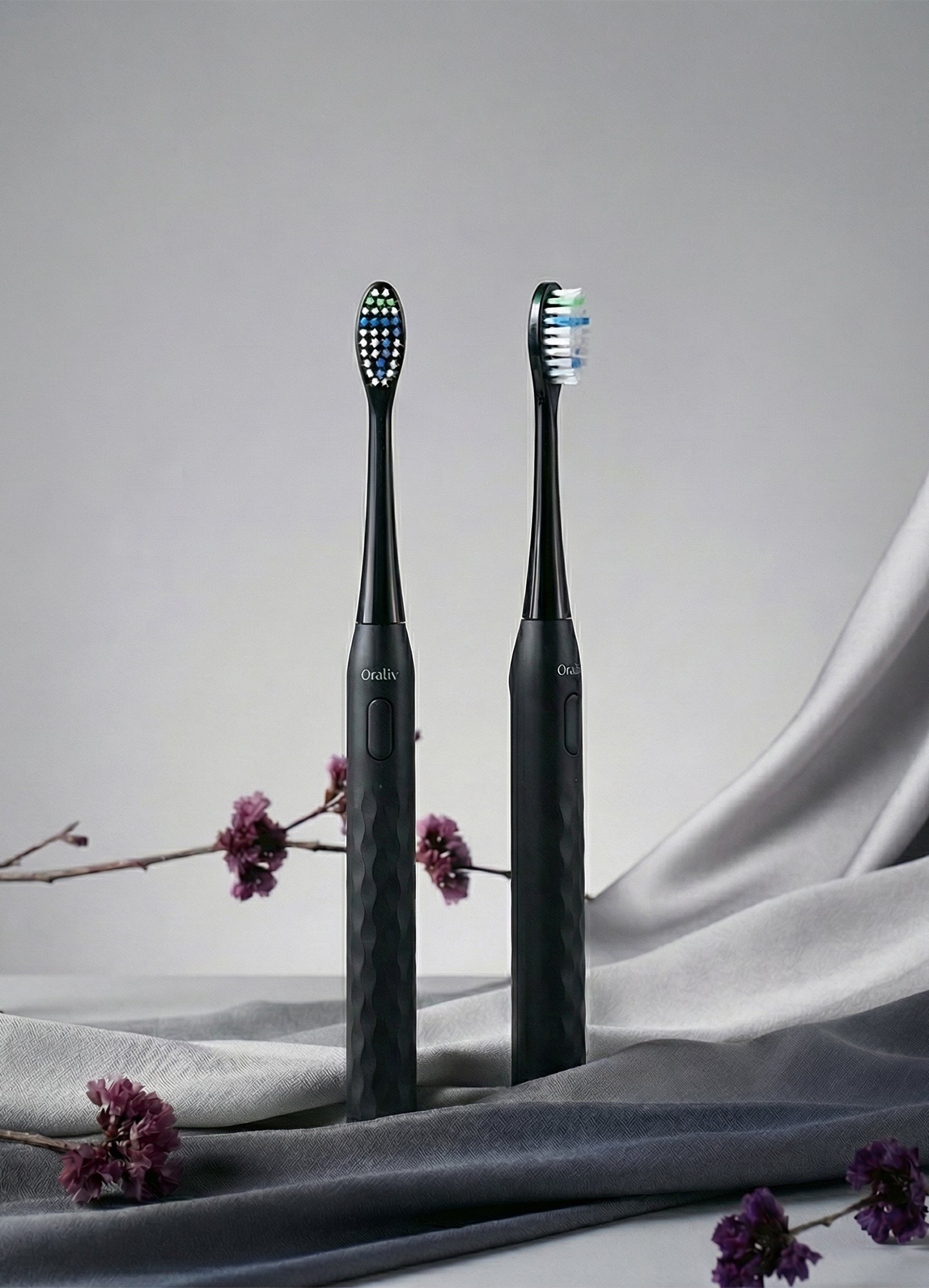


Learn how to use an electric toothbrush with braces, clean around brackets and wires, choose safe settings, protect gums, and avoid common mistakes.
How to Use an Electric Toothbrush with Braces
If you have fixed braces, it is reasonable to wonder whether the vibration or movement of an electric toothbrush could loosen a bracket or irritate your gums. In most cases, an electric toothbrush can be used safely with traditional metal braces, ceramic braces and other fixed orthodontic appliances. The key is to use a soft brush head, gentle pressure and a careful technique.
Brackets and wires create extra edges and sheltered spaces where food and plaque can collect. Plaque is a sticky film of bacteria that forms on teeth. If it is not removed consistently, the gums may become inflamed and the enamel around brackets can be more vulnerable to decay or white marks. This guide explains how to use an electric toothbrush with braces, how to reach above and below each bracket, which features matter, and when a problem needs professional attention.
Quick Answer: Can You Use an Electric Toothbrush with Braces?
Yes. A powered toothbrush is generally safe for fixed braces when you use a soft brush head, light pressure and a methodical technique. Hold the bristles against each tooth surface and let the brush move; do not scrub aggressively. Clean the gumline and all sides of every bracket, then use an interdental aid for spaces the main brush cannot reach.
Can You Use an Electric Toothbrush with Braces?
Yes. Guidance for people with fixed braces commonly accepts either a manual or powered toothbrush. An electric toothbrush does not normally dislodge properly bonded brackets simply because it vibrates or rotates. Problems are more likely to come from hard or sticky foods, trauma, biting objects, or an appliance that was already loose than from normal brushing.
Technique matters more than the label on the toothbrush. A powered brush can make it easier to clean for the recommended amount of time, and some people find its small head easier to guide around brackets. However, it does not automatically reach under the archwire or between every tooth. Thorough coverage and additional interdental cleaning remain essential.
Research comparing powered and manual brushing in people with fixed appliances has not always produced the same result. That is why it is more accurate to say that either can work well when used correctly, rather than claiming that an electric toothbrush is universally superior.
From an orthodontic perspective, effective plaque removal with braces depends on a repeatable routine: see each bracket as several surfaces to clean, move slowly, and check the gumline before you finish.
How to Use an Electric Toothbrush with Braces: Step by Step
1. Rinse away loose food if needed. After eating, rinse with water to dislodge obvious debris. This is a preparation step, not a substitute for brushing.
2. Use fluoride toothpaste. Place a pea-sized amount on a soft brush head, unless your dentist has given different instructions. Fluoride helps strengthen enamel and reduce cavity risk.
3. Start with the brush switched off. Place the bristles against the tooth before turning the brush on. This reduces splatter and makes positioning easier.
4. Clean the gumline first. Angle the bristles gently toward the line where the teeth meet the gums. Pause briefly on each tooth and guide the head slowly. Do not push the bristles painfully into the gums.
5. Brush above the brackets. Tilt the handle so the bristles point down toward the top edge of the upper and lower brackets. Move tooth by tooth, allowing the powered action to do the cleaning.
6. Brush directly over the brackets. Place the bristles lightly against the front and edges of each bracket. Move slowly so the bristles contact the areas around the bracket base without catching forcefully on the wire.
7. Brush below the brackets. Reverse the angle so the bristles reach the tooth surface between the bracket and the biting edge. This area is easy to miss when brushing teeth with braces.
8. Clean the chewing surfaces. Guide the head over the grooves of the back teeth, pausing long enough for the bristles to reach the pits and fissures.
9. Clean the inner surfaces. Brush the tongue-side surfaces of all teeth, including behind the front teeth. Braces are on the front, but plaque can still collect elsewhere.
10. Work carefully around wires. Use slow, controlled movements. Do not force the brush head under the archwire. Use an appropriately sized interdental brush for spaces beneath or beside the wire.
11. Brush for at least two minutes. Two minutes is the general minimum. Fixed braces may require longer to cover every surface thoroughly; use your orthodontist's recommended timing if it differs.
12. Spit out the toothpaste and clean the head. Follow your dental professional's advice about rinsing; some guidance recommends spitting without immediately rinsing with water so fluoride remains on the teeth. Rinse the brush head separately, remove trapped debris and let it air-dry upright.
How to Brush Around Brackets and Wires
Think of each bracket as creating several cleaning zones. The goal is to clean the tooth surface at the gumline, above the bracket, below it and around its edges. Moving quickly across the front of the brackets cleans only the most visible area and leaves plaque at the margins.
· At the gumline: angle the bristles about 45 degrees toward the gum edge and move slowly from tooth to tooth.
· Above each bracket: point the bristles toward the top bracket edge so they contact the exposed enamel.
· Below each bracket: reverse the angle to reach the enamel between the bracket and biting edge.
· Around bracket edges: pause at the corners and sides, where plaque and food commonly remain.
· Under and beside the archwire: use a small interdental or single-tufted brush rather than forcing the main electric brush head into a narrow space.
One mistake patients often make is pressing harder when an area looks difficult to clean. The goal is not more force; it is better positioning, slower movement and complete coverage.
What Electric Toothbrush Settings Should You Use with Braces?
For most people, a standard daily-clean or gentle setting is appropriate. A sensitive setting may feel more comfortable after an adjustment or if the gums are tender. The correct choice should feel effective without causing pain.
· Choose a soft-bristled, small or compact brush head that can reach around individual brackets.
· Use a sensitive or low-intensity setting if stronger movement feels uncomfortable, especially soon after tightening.
· A pressure sensor can be useful because it warns you when you are pressing too hard.
· A two-minute timer or quadrant pacer can help you avoid rushing, although braces may require extra time.
· An orthodontic-style head may be convenient, but it is not essential. Fit, softness and technique matter more than marketing terms.
The best electric toothbrush for braces is therefore not necessarily the most expensive model. Look for a soft compatible head, comfortable power level, reliable timer and easy access to replacement heads. If you have a particular appliance, ask your orthodontist whether any brush-head shape should be avoided.
How Long and How Often Should You Brush with Braces?
Brush at least twice a day for at least two minutes with fluoride toothpaste. Many orthodontic teams also advise brushing after meals because food can remain trapped around fixed appliances. If you cannot brush immediately, rinse thoroughly with water and brush when practical.
Do not treat two minutes as a deadline that requires you to stop. With braces, a complete clean may take longer because you must cover several angles around every bracket. A timer helps, but the real endpoint is thorough coverage without aggressive pressure. Follow individualized advice from your orthodontist or dentist if they recommend a different frequency, fluoride strength or routine based on your cavity risk and gum health.
Do You Need More Than an Electric Toothbrush?
Usually, yes. An electric toothbrush cleans broad tooth surfaces well, but brackets and wires create narrow spaces that the main head may not reach. A complete braces oral-hygiene routine normally includes a method for cleaning between the teeth and around the appliance.
Interdental brushes
An interdental brush is a small bristled tool designed to pass through spaces between teeth or under an orthodontic wire. Slide it gently into an open space without forcing it. Your dental team can help you choose a size that enters comfortably without bending the wire or injuring the gums.
Floss, threaders and orthodontic flossing tools
Floss can clean the contact area between two teeth and just below the gumline. A floss threader or orthodontic flossing tool helps guide floss beneath the archwire. Use a gentle side-to-side motion against each tooth rather than snapping floss into the gum.
Water flossers
A water flosser may help remove loose debris around braces and can be useful for people who struggle with conventional floss. It should be viewed as an additional cleaning aid, not proof that every contact between teeth has been cleaned. Ask your dental professional whether it can replace another tool in your individual routine.
Fluoride toothpaste
Use fluoride toothpaste unless a dental professional has advised otherwise. Do not start a high-fluoride prescription product or a separate fluoride rinse simply because you have braces; use these according to professional advice, and use mouthwash at a different time from brushing if instructed.
Common Mistakes When Brushing Teeth with Braces
· Pressing hard enough to flatten the bristles or trigger the pressure warning.
· Scrubbing rapidly while the powered brush is already moving.
· Brushing only the fronts of the brackets and missing the gumline.
· Failing to clean above and below every bracket.
· Forcing the main brush head beneath the archwire.
· Rushing because the built-in timer has ended before all surfaces are clean.
· Continuing to use a splayed, frayed or damaged brush head.
· Assuming the electric toothbrush eliminates the need for interdental cleaning.
· Ignoring a consistently difficult area instead of asking the orthodontic team to demonstrate the technique.
Can an Electric Toothbrush Damage Braces?
Normal use should not damage securely attached braces. A soft head and gentle contact are designed to clean the teeth and appliance, not move orthodontic components. Avoid using the brush as a lever, biting the head, forcing it under wires, or pressing painfully against a loose bracket.
Stop and inspect the area if you notice a new sharp point, mobile bracket, displaced wire or unusual movement. Do not try to push a significant appliance problem back into place with the toothbrush. Contact your orthodontic office for advice and follow any temporary-care instructions they provide.
What If Your Gums Bleed When Brushing?
A small amount of bleeding can occur when plaque has inflamed the gums or when cleaning has been inconsistent. Do not respond by abandoning the gumline. Continue gentle, thorough cleaning with a soft head and make sure you are not pressing too hard.
Arrange professional advice if bleeding is persistent, repeated, heavy, painful or worsening, or if it occurs with notable swelling, bad breath, pus, fever or other symptoms. Bleeding may have several causes, and an online article cannot diagnose yours. People who take blood-thinning medicine or have a bleeding disorder should follow guidance from their healthcare and dental professionals.
When Should You Contact Your Orthodontist?
Contact your orthodontic team if you have:
· A loose or detached bracket.
· A bent, displaced or broken wire, especially if it is cutting the cheek or gum.
· Persistent redness, swelling, bleeding or gum pain.
· Significant or worsening pain rather than normal short-term tenderness after an adjustment.
· A section you cannot clean despite careful use of the recommended tools.
· An appliance problem that does not resolve with the temporary measures your orthodontist has previously advised.
Seek urgent medical or dental care for severe swelling, breathing or swallowing difficulty, uncontrolled bleeding, major facial trauma or another emergency symptom.
Frequently Asked Questions
Is an electric toothbrush safe for braces?
Yes, it is generally safe for metal and ceramic fixed braces when used with a soft head and light pressure. Follow your orthodontist's instructions for any unusual or delicate appliance.
Should you use a soft brush head with braces?
Yes. Soft bristles and gentle pressure clean effectively while reducing the risk of irritating the gums. A compact head can also make brushing around braces brackets easier.
Can an electric toothbrush loosen a bracket?
Routine brushing should not loosen a properly bonded bracket. If a bracket moves during brushing, it may already have been compromised. Stop manipulating it and contact your orthodontist.
How often should you brush with braces?
Brush at least twice daily. Many orthodontic teams recommend brushing after meals as well, because fixed braces trap food. Follow the frequency advised for your own teeth, gums and appliance.
How long should you brush with braces?
Brush for at least two minutes, but take longer if necessary to clean every tooth surface and all sides of each bracket. Coverage is more important than stopping when the timer ends.
How do you clean underneath orthodontic wires?
Use a correctly sized interdental or single-tufted brush and guide it gently beneath or beside the archwire. Do not force the main electric brush head into a tight space.
Should you use an interdental brush with braces?
Often, yes. It reaches areas around brackets and under wires that the main brush may miss. Ask your orthodontic team to show you the correct size and technique.
Can you use an electric toothbrush immediately after braces are fitted?
Usually yes, although a sensitive setting may be more comfortable while the teeth and gums are tender. Use light pressure and contact your orthodontist if pain is severe or persists beyond the expected adjustment period.
How often should you replace the brush head?
Replace it when the bristles become frayed, splayed or less effective, or according to the manufacturer's instructions. Braces may wear bristles faster, so inspect the head regularly.
What should you do if brushing causes gum irritation?
Reduce pressure, confirm that the head is soft, and clean gently rather than stopping altogether. If irritation, bleeding, swelling or pain persists, arrange an assessment with your dentist or orthodontist.
Final Takeaway
The safest way to use an electric toothbrush with braces is simple: use a soft head, apply gentle pressure, move slowly, and clean the gumline plus every side of each bracket. Give yourself enough time, add interdental cleaning for the spaces around wires and between teeth, and maintain the routine every day. If your orthodontist gives instructions that differ from this general guidance, follow the advice tailored to your appliance and oral health.